


My oldest son, Kadoh, recently told me I’m a great “Pokémom” — that is, mom to a Pokémon superfan. It was high praise… and well-earned.
In the past month, I’ve waited outside stores before they opened, stayed up late in virtual queues, and attended multiple card shows—all in pursuit of Pokémon cards.
Why?
Because my eight-year-old son, Kadoh, is a Pokémon superfan.
And watching that fandom up close has reminded me that Pokémon isn’t just a game. It’s one of the greatest superfan-generating brands in history.
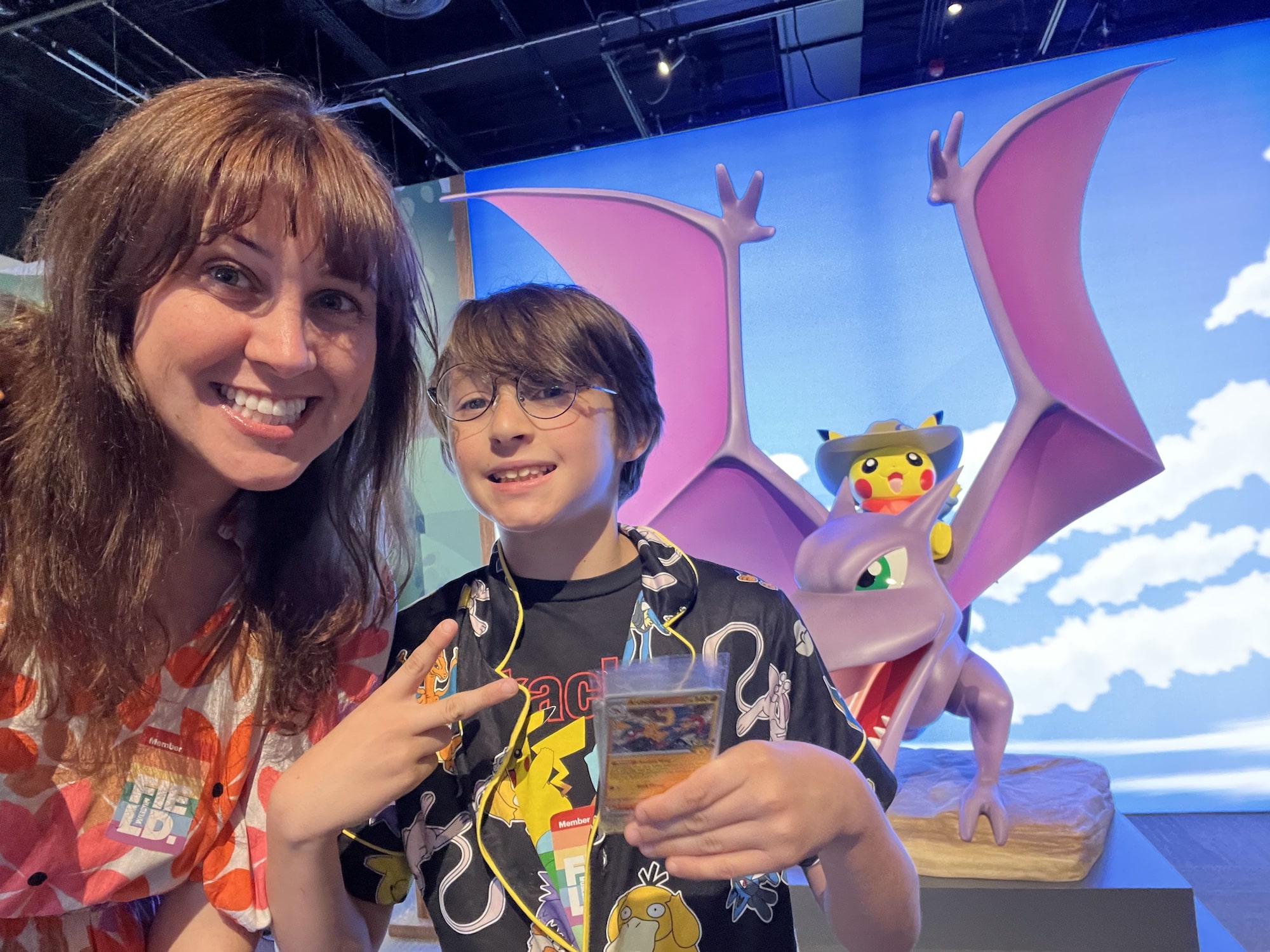
Our family just got back from the Pokémon Fossil Museum, a collaboration with the Field Museum in Chicago that blends archaeology and Pokémon lore into a larger-than-life exhibit where Pokémon “fossils” are displayed alongside real-world dinosaur artifacts.
Even if you don’t have kids, you may have noticed that the 30-year-old brand is having a cultural moment. It’s one of the highest-grossing media franchises of all time, with lifetime global sales higher than those of Marvel, Harry Potter, and even Star Wars. (And $12 billion in the past year!)
Last year alone, about 10 billion Pokémon cards were printed, bringing the total number of cards minted over the past three decades to 85 billion. The value of rare cards has increased by about 170% in the past year, meaning that countless middle schoolers are actually (unintentionally) out-investing you. 😅
So, what’s making the brand so hot? A paradoxical mix of ubiquity and scarcity.
Even though the Pokémon Company is printing billions of cards with new “drops” almost every week, it’s difficult to find them in stores. Scalpers and resellers snap up inventory in minutes. Sets sell out before most fans even know they’re available.
The result? Fans become obsessed with the hunt. That chase becomes part of the product. Not frustration, but anticipation. Fans collect and trade cards, but they also trade the stories of getting the cards.
The brand’s longtime lore has been around “catching” as many as possible, making the hunt very aligned with what the game is all about. It’s everywhere… if you can find it!
But scarcity alone doesn’t explain the obsession. The real magic is identity.
Pokémon fans don’t just like Pokémon. They become Pokémon people. They wear the shirts, collect the plushies, watch the videos, attend the events, and introduce the franchise to their friends and families. Pokémon becomes part of how they describe themselves—and when something becomes part of a person’s identity, their behavior changes.
The Pokémon Company knows that and is eager to deliver. Earlier this year, Target launched a throwback collaboration with Pokémon that Fast Company described as “for superfans, by superfans” (hey, they had me at superfans! 😍) with more than 100 unique products bringing in partners like Pop-Tarts and Trapper Keeper. Predictably, many of the products sold out mere minutes after being stocked on store shelves.
Below are the lessons I think brands can borrow from Pokémon’s playbook. But, as an added bonus, I wanted to consult a special expert, too — my son, Kadoh! As a special preview to the fourth season of the Creating Superfans Podcast (returning to all of your favorite podcast streaming services next month!), I invited Kadoh to sit down with me for a conversation about why he thinks Pokémon is so popular. You can watch the entire interview here for his insights on why “everyone” loves Pokémon and what moves the franchise should make next.
And (although following an eight-year-old is a tough act!), here’s what I think brands can learn from Pokémon:
1. Make customers feel like insiders.
Pokémon fans don’t just buy cards — they speak a language. Booster packs. Reverse holos. Pull rates. Secret rares. Double holos. Shared language creates shared identity. The moment a customer starts using your terminology instead of generic terminology, they’re no longer just buying from you—they’re joining you.
Ask yourself: Does your brand have a language? Rituals? Inside jokes? Shorthand that makes loyal customers feel like they’re part of something others aren’t? If not, could you benefit from introducing any of these community-building components?
2. Tap into nostalgia without living in it.
Pokémon launched in 1996. Many of today’s most passionate collectors are adults who grew up with the original 151 Pokémon — and are now introducing the franchise to their own kids. But the brand hasn’t stood still. New games, new card sets, new collaborations, and new Pokémon keep the universe expanding. The lesson: honor your origin story while continuing to evolve. Nostalgia is a powerful on-ramp, but it’s not a destination. Connecting your story to your customer’s story is always where superfandom happens.
3. Give fans something to collect, complete, or chase.
The “gotta catch ’em all” tagline is more than a marketing slogan — it’s a product strategy. Collectibility creates compulsion. Whether it’s a loyalty tier, a limited edition, a milestone achievement, or a product line designed around completion, giving your customers something to pursue keeps them engaged long after the initial purchase.
The brands that win in the long term aren’t the ones with the biggest budgets or the flashiest campaigns. They’re the ones that make people feel something: seen, special, part of something bigger than a transaction.
Pokémon has spent 30 years proving that people don’t become superfans because a product is good. They become superfans because the product helps them belong. Belonging is why fans return and superfans recruit. Are you simply selling to your customers or giving them something to identify with and share?
Paragraph